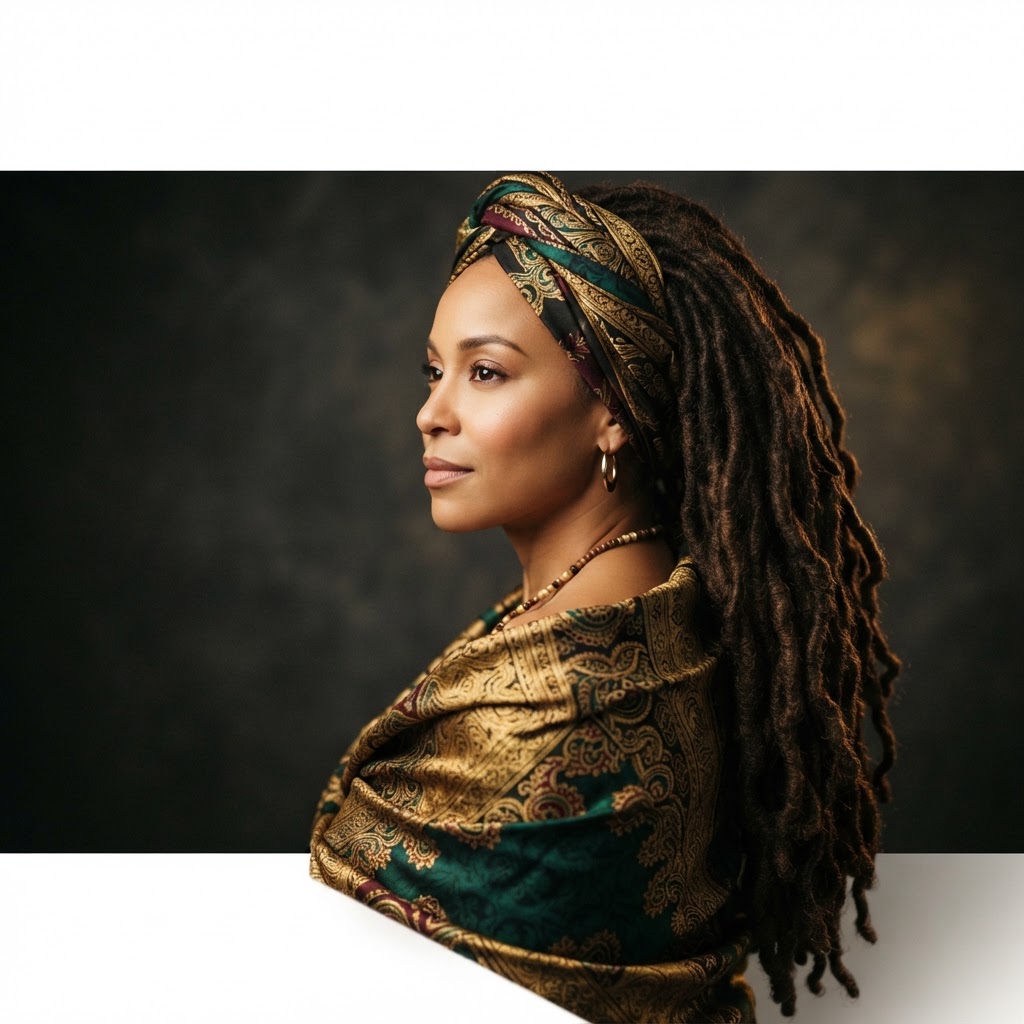
The History of Locs
Locs have a rich and diverse history that spans thousands of years across multiple cultures and continents.
Ancient Origins
The earliest depictions of locs can be traced back to ancient civilizations:
- Ancient Egypt: Mummies have been discovered with locked hair, and hieroglyphics show Egyptians wearing locs as early as 3,000 BCE.
- India: The practice of wearing jata (Sanskrit for twisted lock of hair) has been observed among Hindu sadhus and ascetics for millennia.
- Ancient Greece: The Spartans were known to wear their hair in locks.
Cultural Significance
Rastafari Movement
In the 1930s, locs became synonymous with the Rastafari movement in Jamaica. Rastafarians grew their hair in locs as a way to honor their African heritage and as a symbol of their covenant with God, inspired by the Biblical Nazarite vow.
African Heritage
Many African ethnic groups have traditionally worn locs:
- The Maasai warriors of East Africa
- The Turkana people of Kenya
- The Himba people of Namibia
Modern Revival
Today, locs are worn by people of all backgrounds as:
- A connection to cultural heritage
- A spiritual practice
- A personal style choice
- A statement of natural hair acceptance
The journey of locs from ancient spiritual practice to modern style choice shows how this beautiful hairstyle continues to evolve while maintaining its deep cultural roots.
Biblical References to Locked Hair
The modern term "dreadlocks" does not appear in the Bible. However, Scripture references "locks," uncut hair, and consecrated hair in specific spiritual contexts.
The Nazirite Vow
In Numbers 6:5, individuals who took a Nazirite vow were instructed not to cut their hair: "All the days of the vow… no razor shall come upon his head… he shall let the locks of the hair of his head grow." Uncut hair was a visible sign of dedication and separation unto God. The term "locks" here refers to grown, sectioned hair.
Samson's Seven Locks
In Judges 16:13, Samson's strength was associated with his hair — "…the seven locks of my head…" The reference to "seven locks" suggests distinct sections or braided strands. Samson was a Nazirite from birth, and his hair symbolized his covenant with God.
Cultural Context
In 2 Samuel 14:26, Absalom's long hair is described as unusually heavy, reflecting how hair carried social and cultural significance in biblical times.
Summary
While the Bible does not describe modern loc techniques, it does reference locks of hair, uncut hair as a sign of dedication, and hair connected to identity and spiritual commitment. Throughout history, hair has carried cultural, spiritual, and personal meaning. For many today, locs continue that tradition of identity, discipline, and heritage.
Need a loctician for this?
Our Arlington studio handles starter locs, retwists, repairs and styling. Book online in a few minutes.