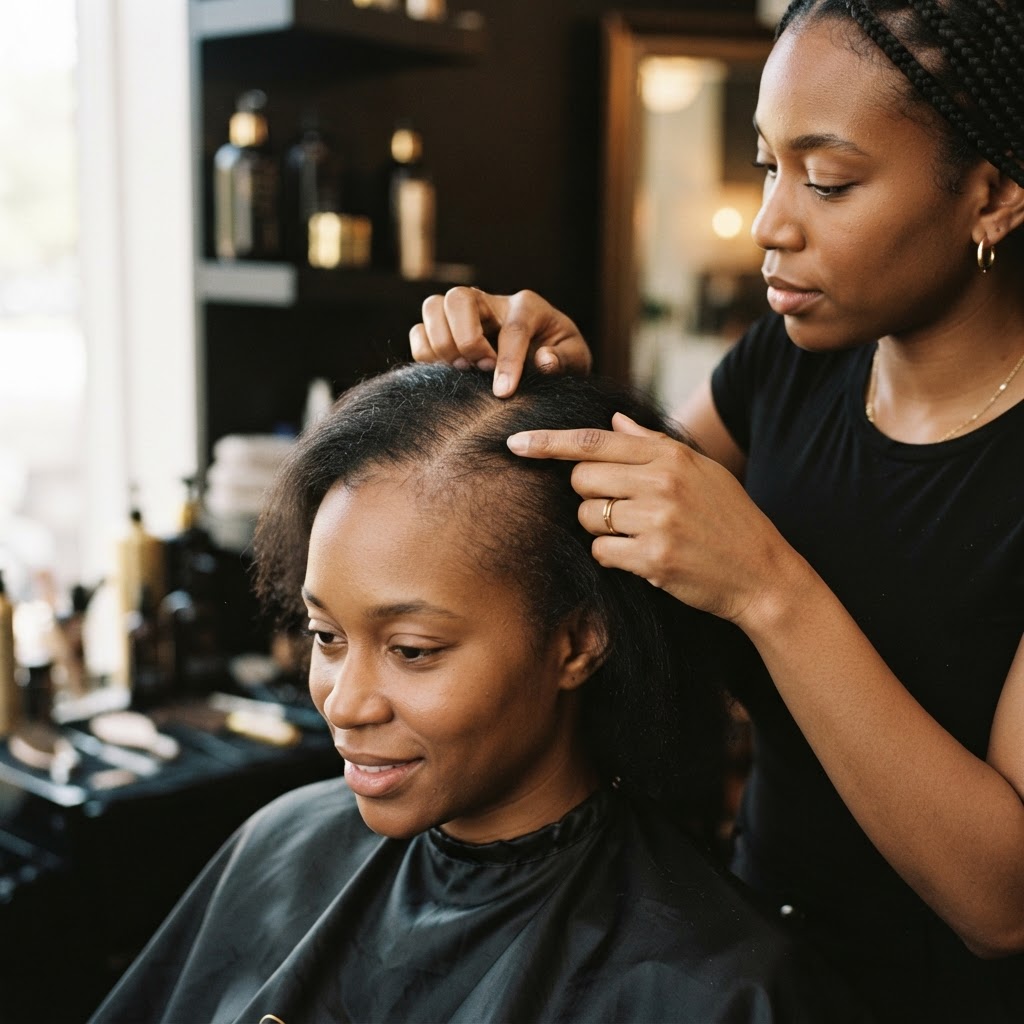
Should I Loc My Hair If I Have Alopecia?
This is an important question that requires careful consideration and professional guidance. Let's explore the factors you need to consider.
Understanding Alopecia
Alopecia is a medical condition that causes hair loss. There are several types:
- Alopecia Areata: Patchy hair loss
- Traction Alopecia: Hair loss from tension on the hair
- Androgenic Alopecia: Gradual thinning and pattern baldness
- Scarring Alopecia: Permanent hair loss with scalp scarring
Can You Loc Your Hair with Alopecia?
The short answer: It depends on the type and severity.
Important Considerations:
1. Type of Alopecia
- Non-scarring alopecia (like alopecia areata): May be possible with proper care
- Traction alopecia: Generally NOT recommended, as locs can worsen the condition
- Scarring alopecia: NOT recommended in affected areas
2. Severity and Active State
- If your alopecia is active and progressing: Wait until it stabilizes
- If you have extensive hair loss: May not be suitable
- If you're in remission: Possible with modifications
Risks to Consider
Potential Issues:
- Additional Tension: Locs require regular maintenance that puts tension on the roots
- Weight: Mature locs add weight that can stress fragile follicles
- Medication Interference: Some alopecia treatments may affect hair texture
- Worsening Condition: Improper care could accelerate hair loss
Safe Alternatives
If Locs Aren't Recommended:
- Loc Extensions: Temporary option without stressing your natural hair
- Protective Styling: Low-tension styles that promote growth
- Scalp Treatment: Focus on healing and strengthening first
- Wigs/Headwraps: Beautiful alternatives while your hair recovers
If You Proceed with Caution
Best Practices:
-
Medical Clearance: Get approval from your dermatologist
-
Choose the Right Method:
- Freeform locs (minimal manipulation)
- Larger, heavier locs (less tension per loc)
- Avoid interlocking in affected areas
-
Gentle Maintenance:
- Extend time between retwists (8-12 weeks)
- Use minimal tension techniques
- Focus on scalp health
-
Regular Monitoring:
- Watch for increased shedding
- Note any new bald patches
- Check for scalp sensitivity
-
Proper Products:
- Avoid heavy products
- Use growth-promoting oils
- Keep scalp clean and moisturized
Warning Signs to Stop
Discontinue locs if you notice:
- Increased hair loss
- New bald patches appearing
- Scalp pain or inflammation
- Thinning at the roots
- Breakage near the base
Our Recommendation at Lovewrapz
Schedule a consultation first! We will:
- Assess your hair and scalp condition
- Review your medical history
- Discuss your alopecia type and status
- Explore all options - locs and alternatives
- Create a personalized plan if appropriate
- Provide ongoing monitoring and support
The Bottom Line
Your hair health comes first. While some people with certain types of alopecia can successfully have locs, it's not right for everyone. We believe in honest, caring guidance to help you make the best decision for your unique situation.
Take Our Loc Readiness Assessment
Our comprehensive assessment includes questions about:
- Medical conditions
- Scalp health
- Hair history
- Treatment goals
This helps us provide personalized recommendations for your journey.
Remember: Beautiful hair is healthy hair, and we're here to support whatever choice is best for you! 💚
Need a loctician for this?
Our Arlington studio handles starter locs, retwists, repairs and styling. Book online in a few minutes.